
Serotonin, Your Feel Good Drug, Naturally
By Koby Taylor, PharmD
Serotonin
I talk with a lot of patients who come through my pharmacy asking questions about their prescriptions and seeking advice about nutrition, amino acids, and hormone balancing. Given that we are in our winter months, I thought an article about a subject that is common this time of year would be appropriate. So, let’s talk about depression and serotonin. What is serotonin? Serotonin is a neurotransmitter that acts as a hormone and is naturally produced in the brain stem and your intestinal mucosa. In medical terminology, you may know it as 5-hydroxytryptamine. You may have also come across the phrase “the feel good drug” in reference to serotonin. Why is serotonin important? Serotonin is important for a multitude of reasons. It helps in governing your mood, memory, behavior, gastrointestinal balance, digestion, sleep, bone health, blood clotting, and sexual function, among other things.
Treating Depression with Serotonin (SSRI) Medications
Interestingly, you or someone you know may have taken a SSRI antidepressant medication for chronic pain. Typically, this course of treatment may be temporary. Someone in chronic pain may not be producing enough serotonin, so blocking the body’s reabsorption process may help promote healing and overall well-being by allowing the patient to sleep better, digest food better, and stay positive.
Can you be tested for neurotransmitters? The short answer is yes. At my pharmacy, we offer a comprehensive test through ZRT Laboratory. Being tested is a simple process and does not require an office visit to complete. You will take the kit home and follow the instructions; it’s that easy. I encourage you to Google this test and be sure to look at all the components the test includes. It could furnish you and your healthcare provider with extra beneficial information.
Investigating the Serotonin Map/Pathway
Our bodies are complex! Within that complexity, we have to consider that more than one element travels along the same pathway and that everything works together to create and maintain what we call homeostasis, a harmonious balance.
When we rely too heavily on a particular medication or supplement, we can disrupt this natural harmonious balance, and in a sense, block a pathway. For example, dopamine, another important neurotransmitter, interacts with serotonin receptors. This interaction is very important for maintaining a balance between the two neurotransmitters and ensuring balanced cognitive function. However, if a drug or supplement solely targets serotonin receptors without considering the interaction with dopamine, it may lead to an imbalance and potentially have negative effects on cognition and mood.
Increasing Your Own Well-Being
 For those of you who may be taking antidepressants and for those who aren’t but may be feeling the “blues,” let’s talk about food! Protein is an essential macronutrient that plays a crucial role in various physiological processes in the body. One of its important functions is the synthesis of neurotransmitters, including serotonin and dopamine. The link between protein and serotonin lies in the amino acid tryptophan. Tryptophan is an “essential amino acid,” which means it cannot be produced by the body and must be made through dietary sources. It is a precursor to serotonin, converted into serotonin in the brain.
Whole food, plant-based diets can provide an abundant source of protein while also promoting serotonin production. Plant-based protein sources, such as legumes, tofu, tempeh, quinoa, and nuts, are not only rich in protein but also contain tryptophan. By consuming these plant-based protein sources, individuals can ensure an adequate intake of tryptophan that can then be converted into serotonin. Foods high in B vitamins, such as leafy greens, whole grains, and legumes, are important for the synthesis of serotonin. Additionally, plant-based diets are often high in antioxidants, which can protect the brain from oxidative stress and promote optimal serotonin function.
Here are examples of foods that help support and boost serotonin production in the body naturally:
• Tryptophan-rich foods: Foods rich in tryptophan include turkey, chicken, eggs, cheese, tofu, nuts, seeds, and legumes. Consuming these foods can provide the building blocks necessary for serotonin synthesis. • Complex carbohydrates: Eating foods that are high in complex carbohydrates can help increase serotonin levels. Good sources of complex carbohydrates include unprocessed whole grains, fruits, vegetables, and legumes. • Omega-3 fatty acids: Omega-3 fatty acids are essential fats that play a role in brain health and neurotransmitter function. They have been found to increase serotonin receptor activity and promote serotonin release. Foods rich in omega-3 fatty acids include fatty fish (such as salmon, mackerel, herring, and sardines), walnuts, flaxseeds, and chia seeds. When it comes to fish, do your best to purchase wild-caught varieties. While farm-raised fish still have many nutrient properties, many fish species are raised in large tanks and could be treated with antibiotics and antifungal medications, causing an imbalance in your own physiology. • Vitamin B6: When I see patients currently taking antidepressants, as well as patients who are not on medication but are concerned because they generally feel “blue,” I find that there is a vitamin B6 deficiency. Vitamin B6 is involved in the conversion of tryptophan into serotonin. Foods rich in vitamin B6 include poultry, fish, bananas, potatoes, chickpeas, and sunflower seeds. • Magnesium: If you’ve been following my articles, you know how I feel about the miracle of magnesium! Magnesium is a mineral that plays a role in serotonin production and function. Foods rich in magnesium include leafy green vegetables, nuts, seeds, whole grains, and legumes. Consuming these foods can help ensure adequate magnesium levels for serotonin synthesis. It’s important to note that while foods can support serotonin production, they may not have an immediate or dramatic effect on mood. Serotonin synthesis is a complex process influenced by various factors, such as illness, stress, lifestyle, and even injury. Dietary changes alone may not be sufficient to address serotonin imbalances or mental health conditions, but my goal in providing this information is to give you the idea to look at your mental health circularly. If you are experiencing persistent mood or mental health issues, consult with your healthcare provider for a comprehensive evaluation and appropriate treatment.RELATED ARTICLES

Estrogen: Why the Route of Delivery Matters
By Buffy Taylor, DNP, WHNP, CNM As a woman’s health care provider, one of the most important conversations I have with my patients is about hormone…

The Most Important Member of Your Care Team Is You!
Instead of my usual column, I’m pleased to share the story of one of my patients, who describes her experience combining conventional cancer…
Everyone Needs the Core 5 This Summer: How Simple Supplement Support Helps Busy People Keep Going
RELATED PRODUCTS Click any product below for details and to visit our online store.

Better Together: Why a Buddy System Changes Everything on a Health Journey
RELATED PRODUCTS Click any product below for details and to visit our online store.

Healing From The Inside Out: Mickell’s Journey into the Unconventional
RELATED PRODUCTS Click any product below for details and to visit our online store.

When Spring Turns Hostile: From Debilitating Allergies to Lasting Relief
RELATED PRODUCTS Click any product below for details and to visit our online store.

Hair Loss May Not Be Just Holiday Stress, but a Vitamin D Deficiency
RELATED PRODUCTS Click any product below for details and to visit our online store.

Let’s Talk About Constipation (Yes, Really)
RELATED PRODUCTS Click any product below for details and to visit our online store.
From Stuffy to Serene: Why I Swear by Sinus Rinses
RELATED PRODUCTS Click any product below for details and to visit our online store.
RELATED PRODUCTS
Click any product below for details and to visit our online store.
-
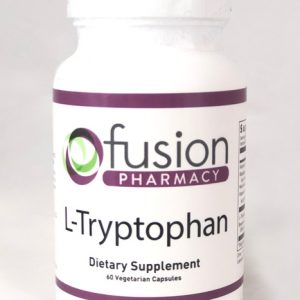
L-Tryptophan 500mg
$52.98 -
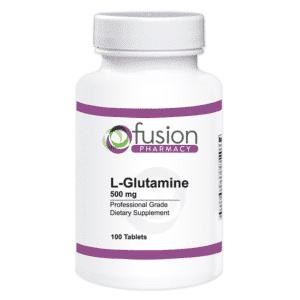
L-Glutamine
$26.98 -
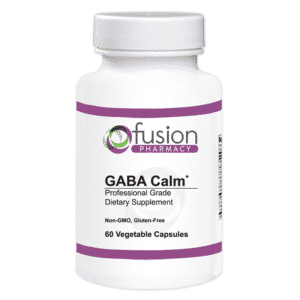
GABA Calm
$39.98 -
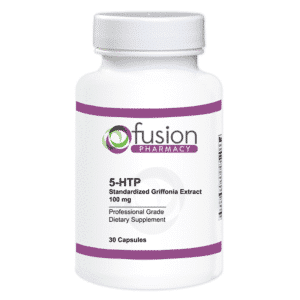
5-HTP 100mg
$23.98 -
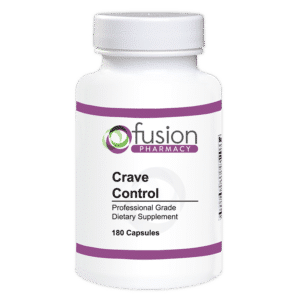
Crave Control
$59.98 -
ZRT Blood Spot Hormone Test Kit
$130.00 – $349.00Price range: $130.00 through $349.00 -
SpectraCell Laboratories Micronutrient Test
$440.00 -
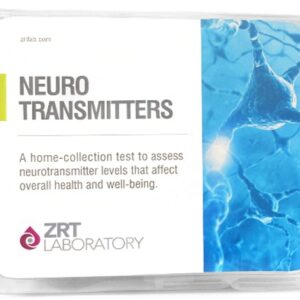
ZRT Neurotransmitters Test
$272.00 -

ZRT Fertility Profile
$400.00 -
Microbiome Labs BiomeFx
$399.00